
Japan’s Decision on Wastewater Release
Japan’s recent announcement to release treated radioactive wastewater from the Fukushima Daiichi nuclear plant into the sea has raised questions and concerns both at home and abroad. The water, which has been carefully treated to remove harmful substances, has been accumulating since a devastating earthquake and tsunami hit the region in 2011. Japanese authorities say it is necessary because the storage tanks will soon be full, and they need space for the plant’s long decommissioning process.
Why the Concerns?
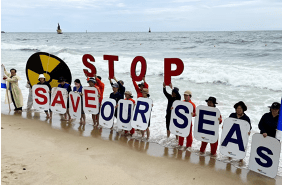
While Japanese authorities emphasize that the water is safe, some people worry about potential environmental impacts and food safety. They fear that even treated water may still contain traces of radioactive materials. Japanese officials have reassured that the water will be diluted and closely monitored to ensure safety.
U.S. Ambassador’s Visit
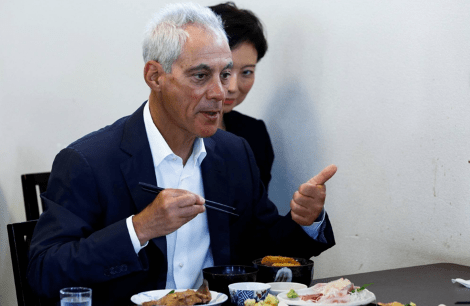
In a bid to support Fukushima’s decision, the U.S. Ambassador to Japan, Rahm Emanuel, visited the region on August 31. He had a seafood lunch with local officials, bought Fukushima produce, and talked to fishermen. Ambassador Emanuel highlighted his confidence in the safety of the food, mentioning that he wouldn serve it to his children without doubts.
IAEA Approval and China’s Seafood Ban
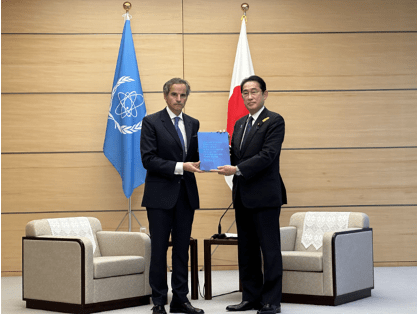
China, however, is not convinced. Soon after Japan began pumping the water into the ocean on August 24, China announced that it would ban all seafood imports from Japan, citing seafood concerns and diplomatic considerations. Ambassador Emanuel criticized this as a political move. He pointed out that China lacked confidence in Japan’s water release plan, which was scientifically approved by an International Atomic Energy Agency (IAEA). IAEA Director General Rafael Mariano Grossi met with Japanese Prime Minister Fumio Kishida earlier in July, and subsequent reports also claimed that the “discharges of the treated water would have a negligible radiological impact to people and the environment.”
China’s ban on Japanese seafood has had a grave effect on the industry. Sales of products including scallops, which were primarily exported to China, have plummeted. To support affected seafood businesses, Japan’s Prime Minister, Fumio Kishida, has urged officials to find new markets and boost domestic consumption.
Diplomatic Efforts
The issue has not only affected trade but also diplomacy. While there was already talks of bringing the matter to the World Trade Organization (WTO), Japanese Foreign Minister Yoshimasa Hayashi prefers diplomatic dialogue to resolve the dispute. Efforts are underway to address concerns and strengthen relationships with other countries, including the United States.
Final Thoughts
The situation highlights the complex challenges surrounding nuclear waste and international trade. It is a reminder that decisions made in one country can have far-reaching effects globally. As the discussions continue, the hope is for solutions that balance safety, environmental concerns, and international relations.
By Xiaojie Ji
 The Journal