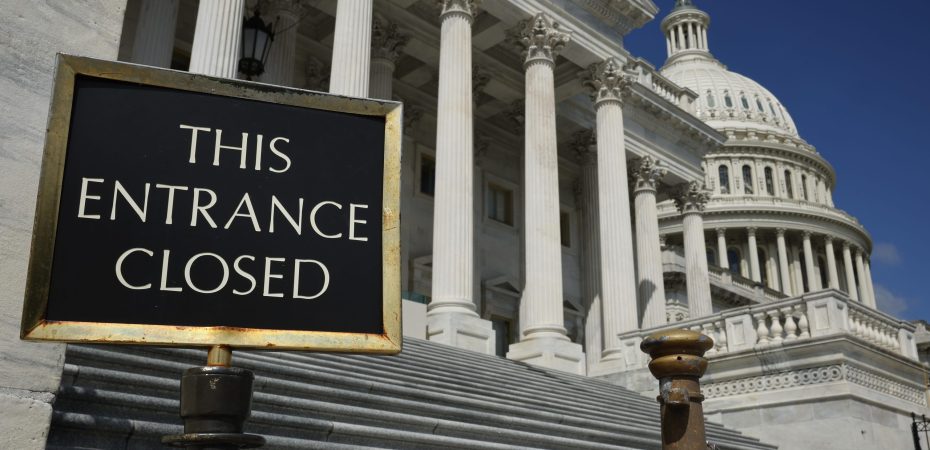
The U.S. federal government was reportedly going to shut down at midnight on September 30, 2023, because the Republican majority in the U.S. House of Representatives could not reach a consensus with the Democrats for a full government funding bill.
Late on Saturday, the House voted 335-91 to approve a temporary funding bill, valid for 45 days in order to avoid a government shutdown. The temporary bill dropped aid to Ukraine, which was opposed by a growing number of GOP lawmakers, after Ukrainian President Zelensky visited Capital Hill on Sept. 21 to persuade these Republicans not to “give up on his country.”
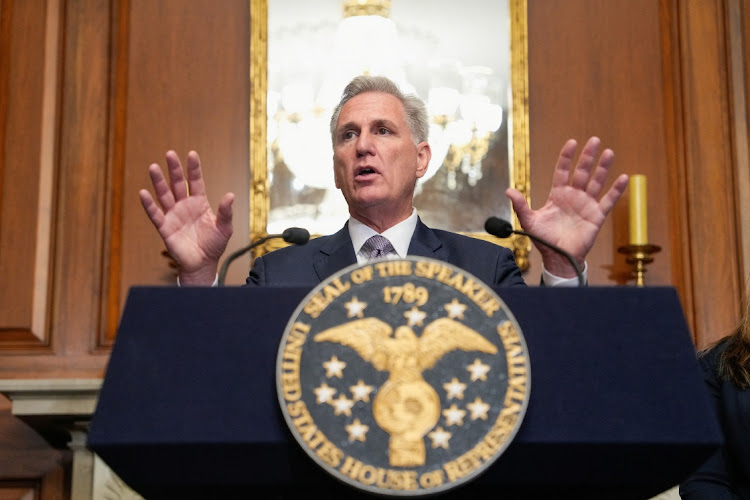
Under the Anti-deficiency Act, federal agencies cannot spend any money without an appropriation from Congress. When Congress fails to enact the 12 annual appropriation bills, federal agencies must cease all non-essential functions. This is known as a government shutdown. If Congress enacts some but not all of the 12 appropriations bills, only agencies without appropriations have to shut down; this is known as a partial shutdown.
How Did It Happen?
A budget plan needs approvals from both the Senate and the House as well as a signature by the president. The congressional budget process begins on the first Monday in February, when the president submits a proposed budget plan. In June 2023, Congress passed and President Biden signed the Fiscal Responsibility Act, which lifted the ceiling on the federal debt and set limits on annual appropriated spending for the fiscal year 2024. In the Senate, the Appropriations Committee has passed all 12 appropriations bills with bipartisan support. But in the House, the Republicans prefer less spending and more provisions on abortion, contraception, regulation of tobacco and healthcare for trans persons that are not likely to pass the Senate.
When the House and Senate pass different bills, the next step is to have a conference committee at which the two chambers work to forge a compromise.
Always a lost fight for the GOP?

There have been four shutdowns where operations were affected for more than one business day. In 1995-1996, the federal government shut down twice for a total of 26 days because President Clinton refused to cut spendings and taxes as anticipated by Republican House Speaker Newton Gingrich. Public opinion was on Clinton’s side, and the Republicans eventually caved. In 2013, the Republicans made yet another failed attempt to defund the Affordable Care Act by blocking the budget bill, which was commonly known as “Obamacare” and a significant policy achievement for the Democratic Party. From Dec. 2018 to Jan. 2019, the federal government shut down for 35 days after Trump agreed to sign the appropriation bill without his demands of funding a border wall being met.
Senate Minority Leader Mitch McConnell acknowledged on Sept. 19 that public opinion has not sided with Republicans during previous shutdowns.
Impact on Federal Employees and Others
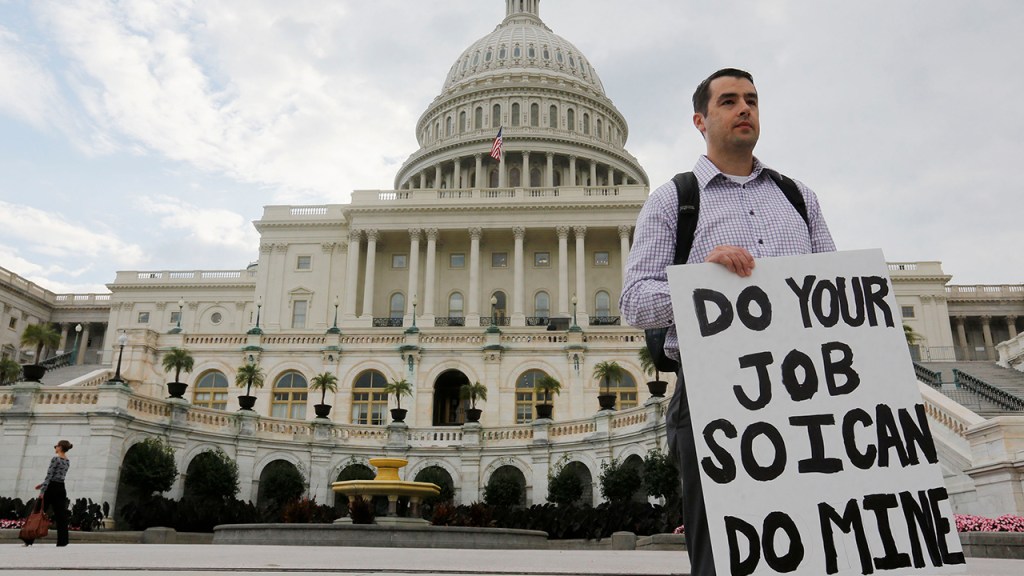
A shutdown may lead to a snowball effect on the general public, depending on its duration.
Among others, federal employees that carry out essential or expected works, such as law enforcement officers and air traffic controllers, are expected to report to work even without a regular paycheck. Those non-essential or non-expected employees who work in administration or routine regulatory activities, on the other hand, are furloughed or placed on unpaid leave, though under the Government Employee Fair Treatment Act of 2019 they will receive retroactive payments when the shutdown ends. Services for veterans, including education, job training, business support and assistance for homeless veterans, will be affected. Federal programs for mortgages and business loans no longer receive new applications. Consular services may experience longer waiting time. Medicare and social security checks will continue according to the Social Security Administration’s contingency plan, as long as the federal government restores its function within three months.
Public Access to national parks and monuments are fortunately still open, although trashes may be left unattended on the street.
A Conventional Practice
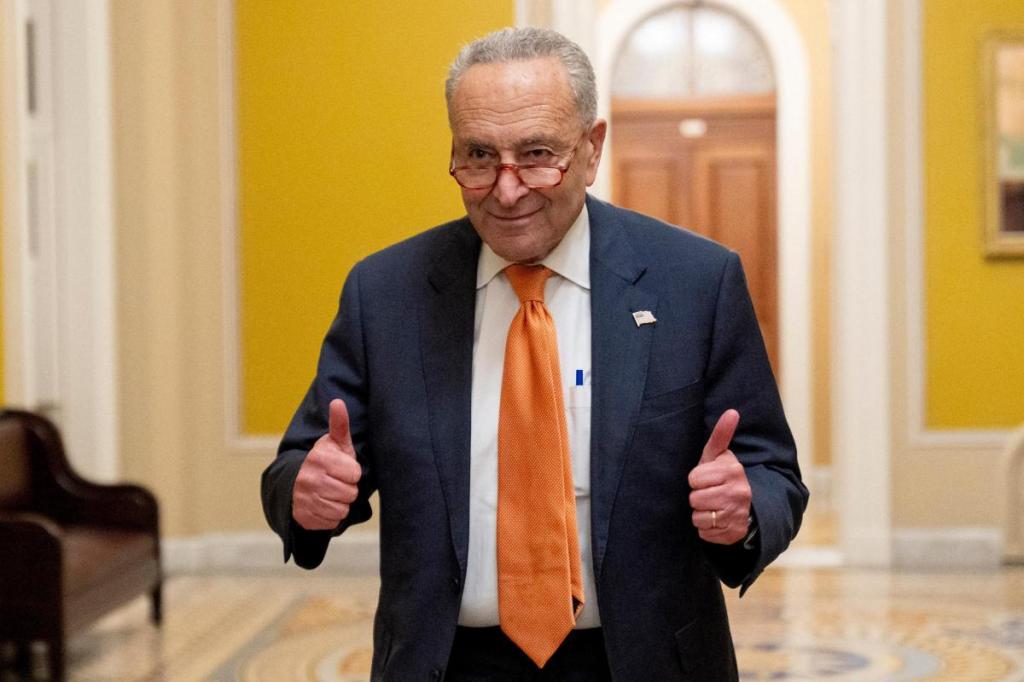
“This is good news for the American people,” Biden said in a statement after signing the temporary funding bill. Senate Majority Leader Chuck Schumer gave two thumbs up as the Senate approved the temporary funding bill.
In fact, according to Pew Research Center, it has been a common practice for the Congress to pass temporary spending measures to keep the government running. The budget resolution has been late for 30 of the past 49 fiscal years, counting fiscal 2024. In 9 of the past 15 years, the House and Senate have instead adopted a variety of legislative substitutes called deeming resolutions, which serves as an alternative enforcement mechanism when the two chambers cannot agree on a budget resolution. The deeming resolutions are not officially defined, nor is there any specific statute or rule authorising such legislation.
A cura di Xiaojie Je
 The Journal