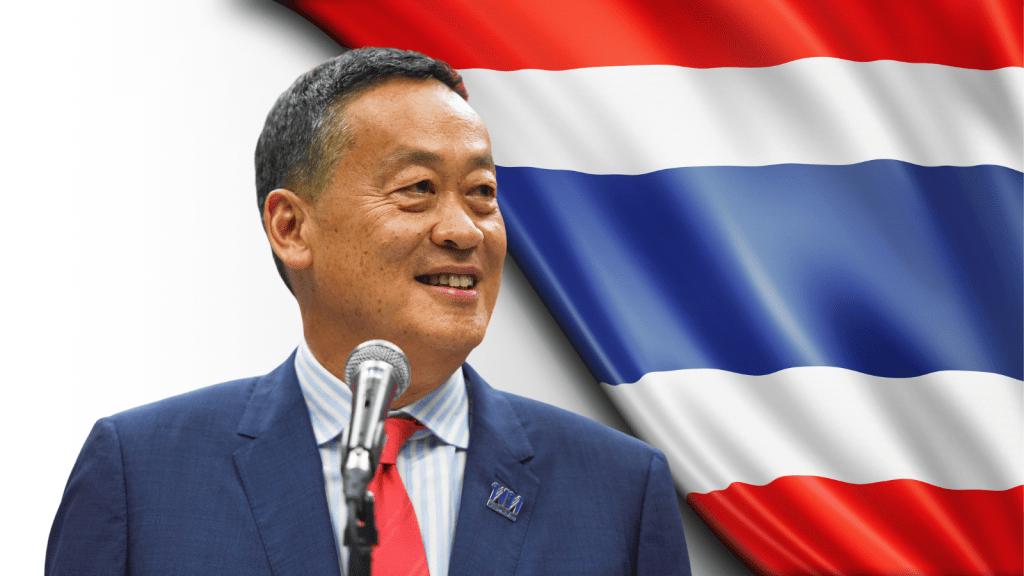
Thailand’s new prime minister Strettha Thavisin, who took office in September, vowed to restrict the use of marijuana for medical purposes in an attempt to “rectify” the cannabis policy.
In June 2022, Thailand became the first country in Asia to legalise the cannabis, the growing of marijuana and its recreational consumption in food and drinks, although smoking in public was still a violation of public health laws. The aim was to boost agriculture and tourism sectors as the economy took a severe hit during the pandemic.
This decision marked a significant shift in the country’s drug policy and demonstrated a willingness to explore alternative approaches to drug regulation. The possession and sale of cannabis extracts containing more than 0.2% of its psychoactive ingredient, tetrahydrocannabinol (THC), is not allowed.
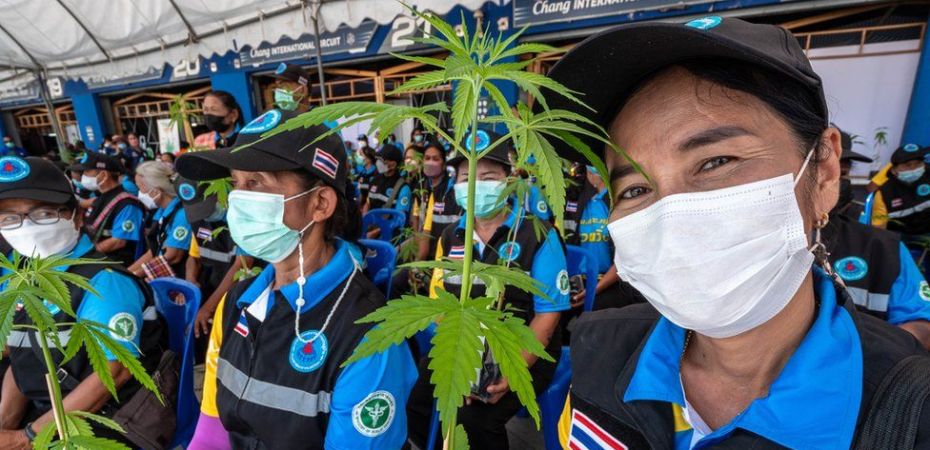
Cannabis growers have to register on a government app called PlookGanja, or grow ganja. Over 100,000 people have signed up to the app.

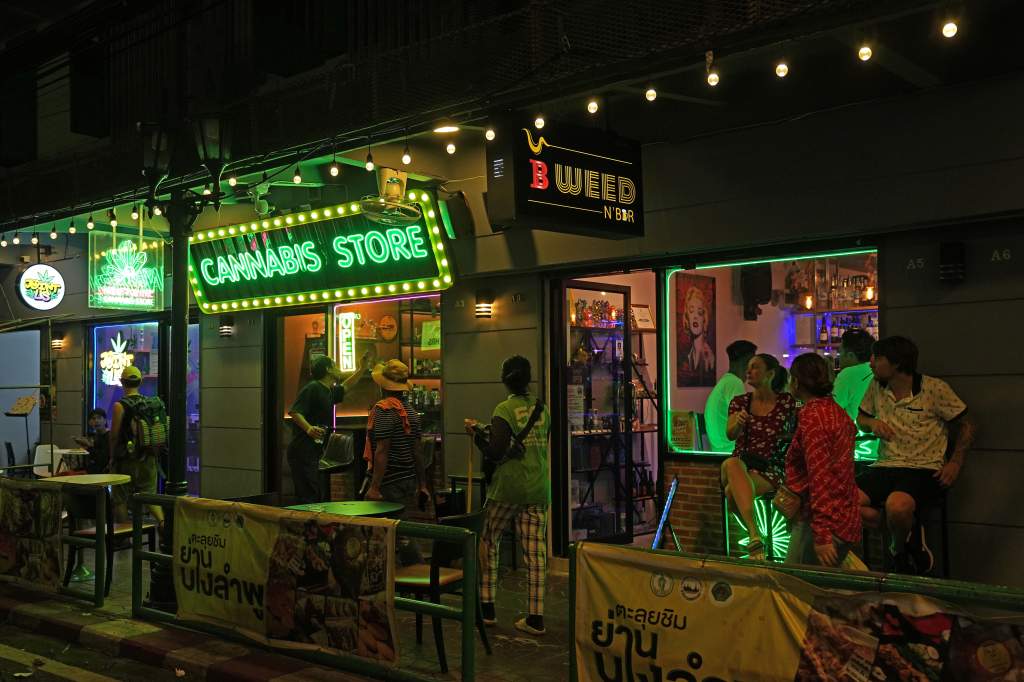
And yet, the absence of specific laws governing cannabis in Thailand created challenges in enforcement and regulation. This resulted in a proliferation of shops selling cannabis-infused products, including those with THC levels exceeding legal limits. Not every shop has the required licence. And while the law stipulates that cannabis can only be consumed by individuals aged 20 and above, that is not always enforced.
In a recent interview with Bloomberg, Prime Minister Strettha Thavisin said his administration would limit cannabis use to medicinal purposes only.
“The law will need to be rewritten,” he said. “It needs to be rectified. We can have that regulated for medical use only.”
Many industry experts welcome a stricter form of laws as it would help avoid an oversupply of cannabis without a proper lab testing. This oversupply has resulted in a substantial drop in prices, down by 50-60% since medical marijuana was first legalized in 2018.
The use of recreational cannabis has also dissuaded certain patients from using it for medical purposes, according to some health experts. There are also hopes that Thailand could become an exporter of cannabis products to legal foreign markets, such as the U.S.
A cura di Xiaojie Je
 The Journal