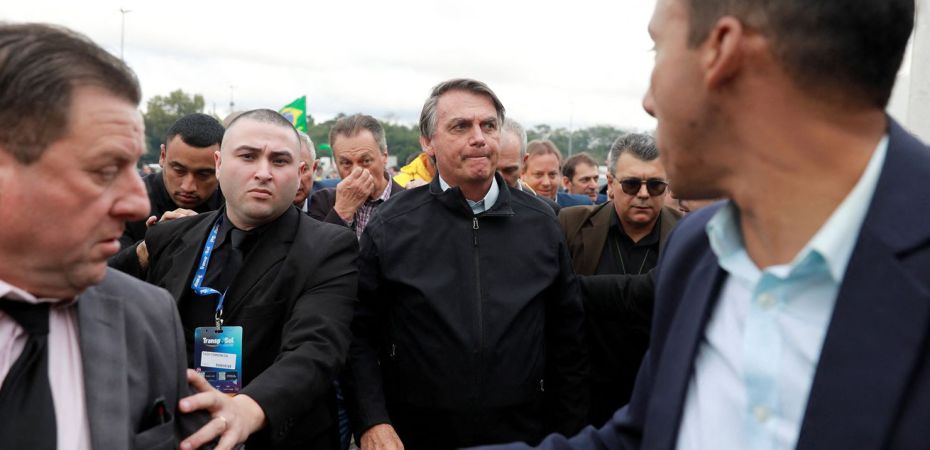
“Justice that only persecutes” or a “landmark ruling ?” Brazil is more divided than ever in the wake of the sentencing of former far-right president Jair Bolsonaro, condemned on September 15, 2025 to 27 years and three months in prison for attempting a coup d’état. By four votes to one, the Supreme Federal Court declared the 70 year-old guilty of leading a “criminal organization” that conspired to maintain his authoritarian hold on power after his defeat to current president Luiz Inácio Lula da Silva during the 2022 elections. Prosecutors revealed that the plan even contemplated Lula’s assasination, though it never materialized due to lack of support from the military leadership.
The ruling is unprecedented in Brazilian history. Never before has a former president been held accountable for plotting against the democratic order. Unlike the 1964 coup, which led to decades of military dictatorship without any trials for its architects, Bolsonaro’s conviction demonstrates that Brazil’s institutions are now willing and able to confront hearts to democracy. As Supreme Court Judge Cármen Lúcia, one of Brazil’s most senior judges, noted, “ This judgement is the meeting point between Brazil’s past and its future”.

During a nearly two-hours presentation, summarizing a 396-page ruling, Carmen Lúcia recalled that Bolsonaro had directed a progressive and organized plan against democratic institutions, particularly the Supreme Court itself and the Superior Electoral Tribunal. She stated that the Attorney General’s Office had clearly demonstrated that a group led by Bolsonaro – including key members of his government, the armed forces, and intelligence services – had devised and implemented a strategy to weaken democracy, block the alternation of power, and undermine judicial authority.
The accusations against the former president and his allies are sweeping: attempting to organize a coup d’état, violently abolishing the democratic state of law, directing an armed criminal organization, causing qualified damage to Union property, and deteriorating protected public assets. If applied cumulatively, the maximum penalties could have reached 43 years in prison.
Still, questions remain over whether Bolsonaro will actually serve his full sentence. His lawyers have already pointed to his fragile health as a reason for leniency, and appeals are almost certain. For his supporters, the verdict is nothing but political persecution—a “witch hunt” meant to silence conservative voices. For his detractors, it is a long-awaited moment of accountability, proof that no one, not even a president, is above the law.
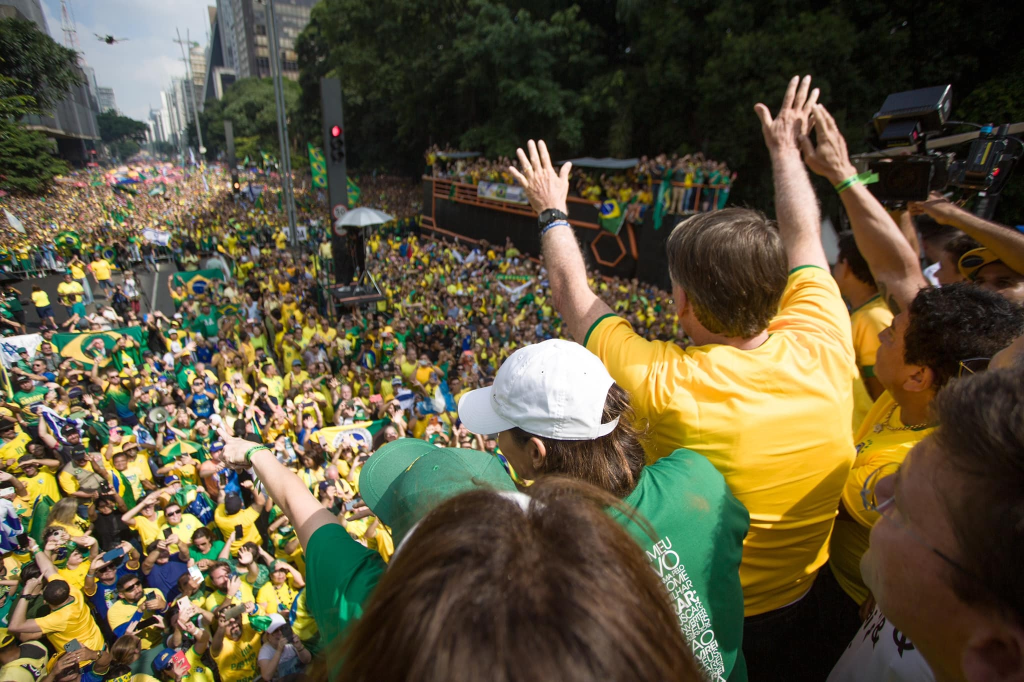
Symbolism plays a powerful role in this story. Bolsonaro, who for years wrapped his political message in the national motto “Ordem e Progresso” (Order and Progress), turned that slogan into a rallying cry for his movement. Now, the same motto raises uncomfortable questions: what order, and progress for whom?
In a country where memories of dictatorship still weigh heavily, Bolsonaro’s conviction may be remembered as a watershed moment. Whether it deepens the polarization of Brazilian society or paves the way for democratic consolidation will depend on what comes next. What is certain, however, is that the Brazil of tomorrow will not easily forget the trial of Jair Bolsonaro.
A cura di Noor Michel
 The Journal