The lost Afghan base, symbol of Trump’s disillusionb
“If Afghanistan doesn’t give back the Bagram Air Base to those who built it, the United States of America, VERY BAD THINGS WILL HAPPEN!!!” thundered the American president Donald Trump on his Truth Social platform on September 20, 2025.
Once a symbol of America’s military might, Afghanistan’s Bagram airbase has become the stage of Donald Trump’s frustrated comeback ambitions. The Taliban’s refusal to hand it back marks more than a diplomatic failure : it exposes the limits of U.S. influence. The United States President demanded that Afghanistan’s ruling Taliban hand the country’s Bagram airbase over to Washington, five years after he signed a deal with the group that paved the way for the US withdrawal from Kabul. Recovering the Bagram base was Donald Trump’s new ambition, quickly blocked by the Taliban. Once the nerve center of American forces during the 2001–2021 occupation of Afghanistan , and later abandoned, Bagram airbase has once again returned to the forefront of international attention.
Given Bagram strategic position, near Pakistan, China, Iran and Russia, Washington aimed to reestablish its military presence in order to intervene more actively in the affairs of countries that do not align with its policy. Moreover, the U.S. government is closely watching China’s nuclear weapons program, especially after the Pentagon recently projected China is on pace to rapidly expand its nuclear arsenal to over 1,000 warheads by 2030, up from the estimated low 200s in 2019.
“One of the reasons we want the base is, as you know, it’s an hour away from where China makes its nuclear weapons,” said the American president during a joint press conference with UK Prime Minister Keir Starmer in Washington, D.C., without offering details about how the U.S. would control it, now that the U.S. military is out of Afghanistan.
The base
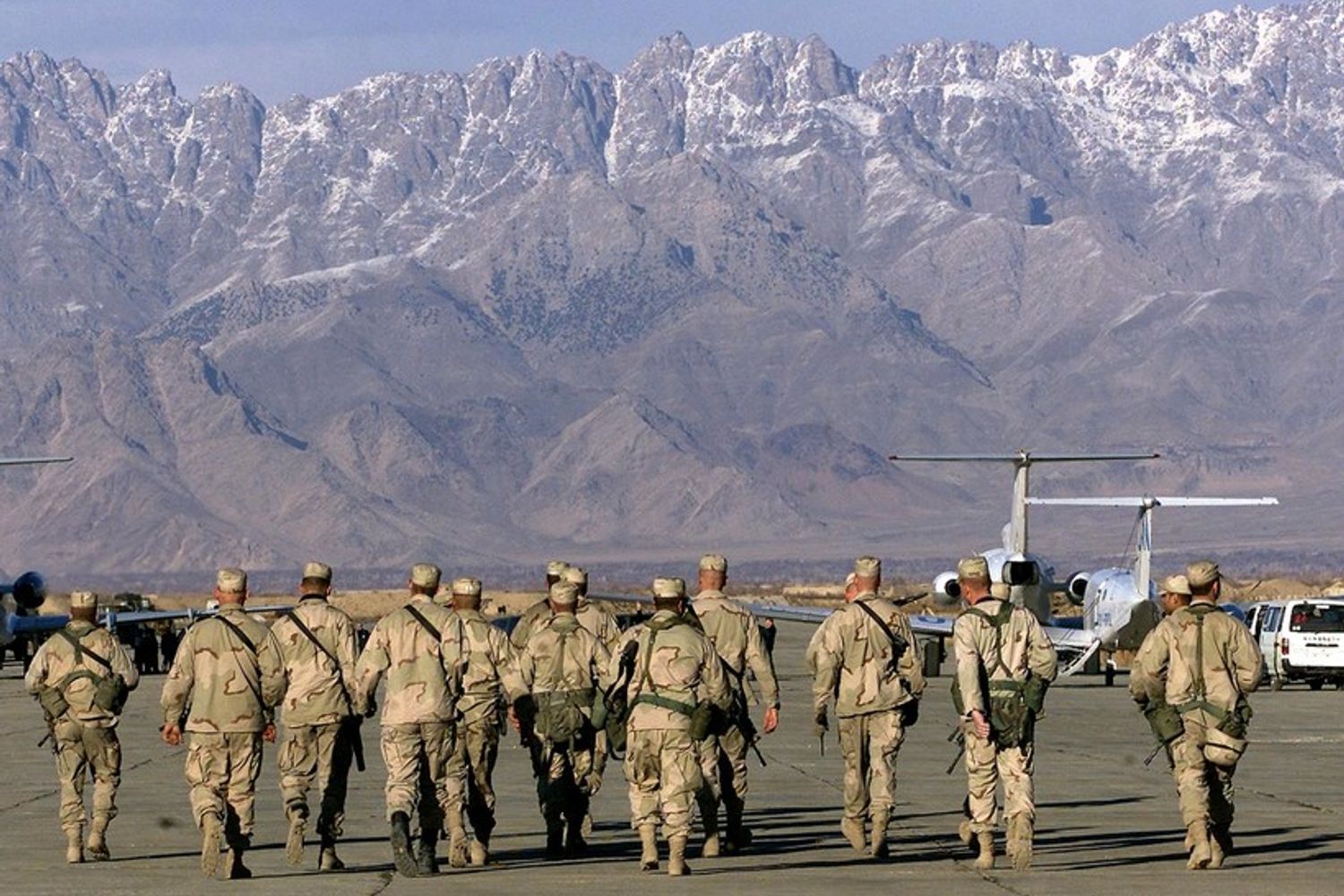
Bagram Air Base was first constructed by the Soviet Union in the 1950s during the Cold War. It expanded over nearly two decades under American control, becoming the hub of US-NATO operations after the 9/11 attacks in 2001. The US forces officially vacated Bagram in July 2021, leaving the sprawling facility to be seized by the Taliban in August 2021.
Why is Trump desperate to take it back?
This request may seem surprising coming from the president who had prepared the withdrawal of American troops from Afghanistan at the end of his first term through the Doha Agreements. Today, this base has become a major strategic issue in the geopolitical rivalries between Washington, the Taliban government, and regional powers. The high operational capacity of the Bagram base, Afghanistan’s mineral resources, the country’s proximity to China, and the prospect of strengthening American influence in Central Asia are among the main reasons driving U.S. President Donald Trump to covet the strategic Bagram base once again.
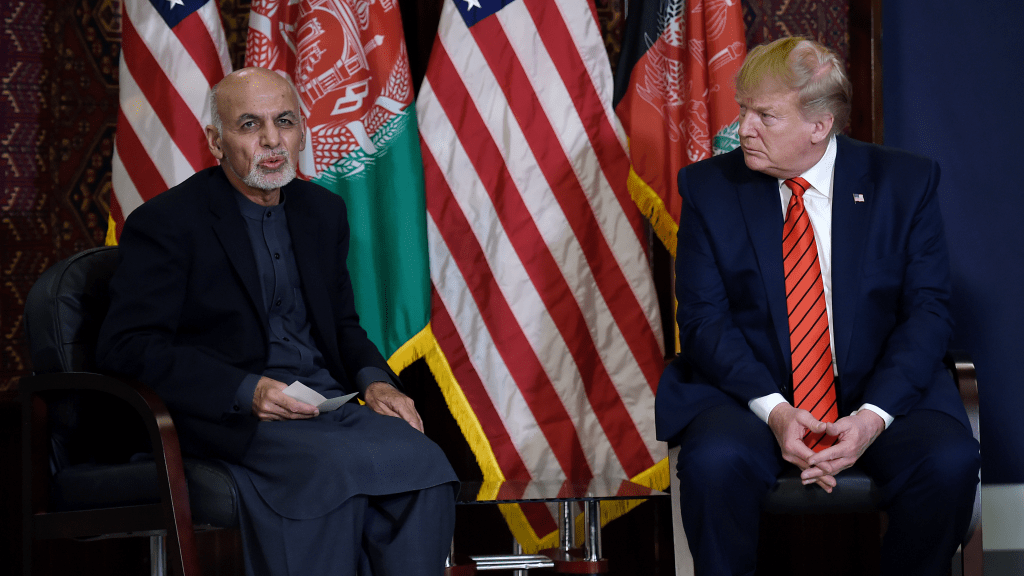
The high operational capacity of the Bagram base, Afghanistan’s mineral resources, the country’s proximity to China, and the prospect of strengthening American influence in Central Asia are among the main reasons driving U.S. President Donald Trump to covet the strategic Bagram base once again. Moreover, the base is a symbol of unfinished wars and lost strategic influence. Reclaiming it would be viewed by some political factions in the US as reversing the humiliation of the 2021 withdrawal and restoring American prestige and credibility.
The refusal
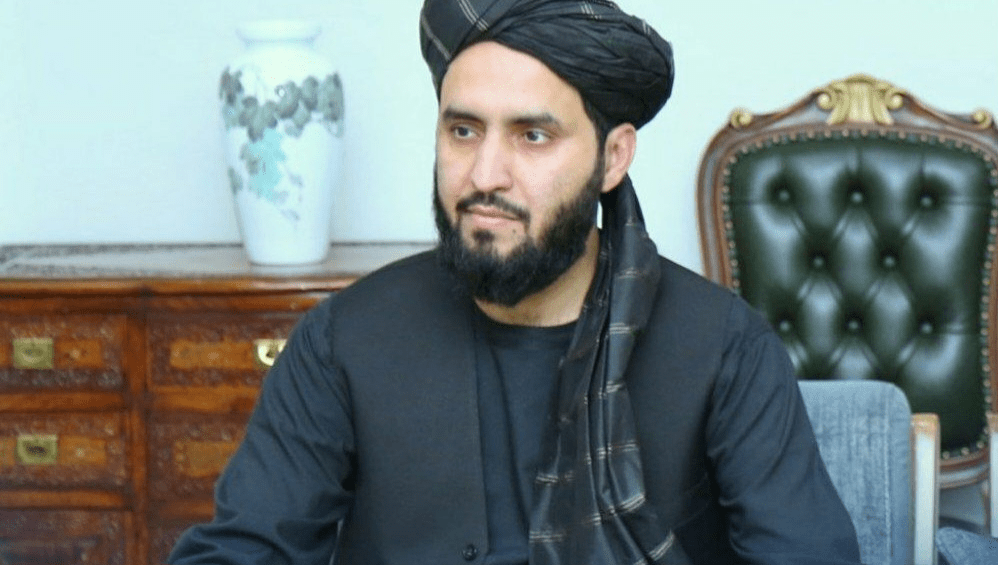
The Taliban regime, for its part, rejected the American offer. “The Afghans have never accepted the military presence of anyone throughout their history,” emphasized Zakir Jalaly, an official from the Ministry of Foreign Affairs, on X. “But for other types of engagement, all options remain open.” The Afghan government stated on Sunday, September 21, that any agreement to return the former American base of Bagram is “impossible.”
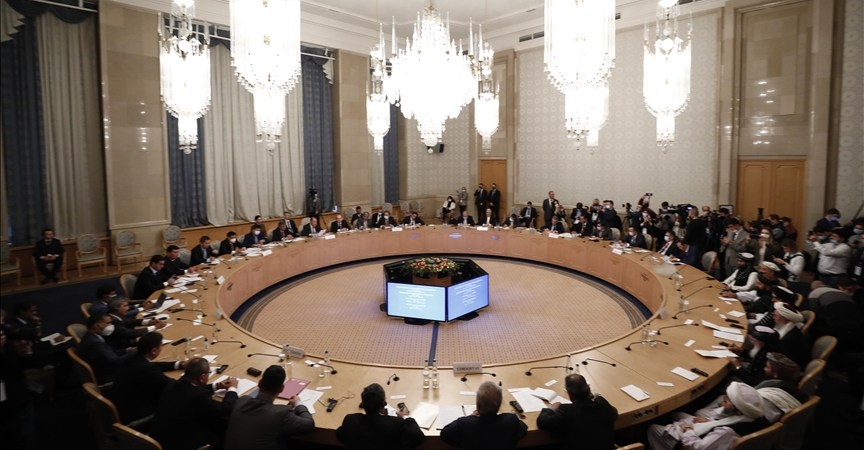
Afghanistan’s regional neighbours, including American allies, appeared to unite against U.S. President Donald Trump’s stated aim of taking ober the Bagram military base near Kabul, according to a statement released after they met in Moscow. The “Moscow Format” meeting on Afghanistan – the seventh such event hosted by Russia but attended for the first time by the Taliban administration’s foreign minister – included U.S. partners India and Pakistan. The 10 nations also included Russia, China and Iran, as well as Central Asian countries.
In a joint statement released by Russia’s foreign ministry late on Tuesday October 7th, the 10 countries did not name the United States or Bagram itself but seemed to take aim at Trump’s plan for the base, endorsing the Taliban’s position on the issue. “They (the countries meeting) called unacceptable the attempts by countries to deploy their military infrastructure in Afghanistan and neighboring states, since this does not serve the interests of regional peace and stability,” the joint statement read.
Whether Trump’s demand is a genuine strategic move or a gesture aimed at reviving U.S. prestige, the reaction it provoked shows that the control of Bagram, and by extension Afghanistan’s future, will be decided not in Washington, but in Kabul, Moscow, and Beijing.
A cura di Mathilde Laprée
Sources
https://thediplomat.com/2025/10/why-a-us-return-to-bagram-is-not-a-good-idea/
 The Journal