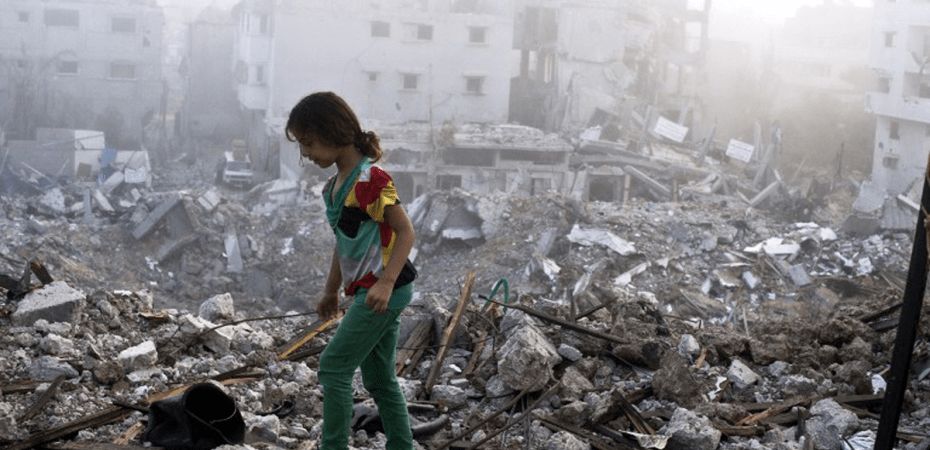
On Sunday, October 19, 2025, the fragile ceasefire in the Gaza Strip came under renewed strain as Israel and Hamas accused each other of violating the truce-barely nine days after it took effect. The clashes in southern Gaza have placed immense pressure on a truce brokered under intense U.S. mediation by President Donald Trump, exposing the instability of an agreement that had, for a brief moment, sparked cautious optimism.
After two years of unrelenting violence, the world now holds its breath. Images of grief and destruction are slowly giving way to rare scenes of reunion and relief, as families on both sides of the border embrace loved ones once thought lost forever. At the heart of this fragile hope lies the hostage exchange, the centerpiece of the Gaza Peace Plan 2025 – a deal unveiled by the President on September 29, 2025.
The First Phase: Hostage release at the core of the plan
Based on twenty fundamental points, the first and most crucial phase of the Trump Peace Plan centered on the immediate release of hostages and Palestinian prisoners, alongside the partial repositioning of Israeli forces and the opening of humanitarian corridors into Gaza: “a new chapter for the region, defined by hope, security, and shared priority”, declared the U.S President. Indeed, after months of failed ceasefire attempts and debates over the Israeli offensive on Gaza in March 2025, Trump’s proposal came as a last-ditch effort to end hostilities. Under heavy U.S. pressure, Hamas accepted the deal within four days, leading to a historic signing ceremony attended by international mediators.
The first phase led to the release of 20 Israeli hostages, held since the October 7, 2023 attacks — 738 days in captivity— in exchange for nearly 2,000 Palestinian prisoners, including administrative detainees and long-term convicts. The scenes that followed were unprecedented: families in Tel Aviv and Ramallah reuniting after years of separation, tears of relief replacing grief and rage. The exchange was coordinated by the International Committee of the Red Cross (ICRC), which ensured the safe transfer and humane treatment of all released individuals. The United Nations Relief and Works Agency (UNRWA) continue to oversee aid delivery in Gaza.
A Moment of Relief, Yet an Uncertain Future
The release of hostages marked a rare moment of unity and relief after two years of relentless bloodshed. It was a scene that seemed to echo President Trump’s words during his address to the Knesset: “This is not just the end of a war; it is the end of an era of terror and death.” Across Gaza, the West Bank, and Israel, freed Palestinian prisoners returned to jubilant crowds, while Israeli families embraced loved ones long presumed dead. For a brief instant, the shared grief of both peoples gave way to something unfamiliar — hope.Yet this fragile calm is overshadowed by growing uncertainty. Several of the deceased hostages’ bodies remain unrecovered, still buried under rubble or trapped in inaccessible areas, according to Hamas official Moussa Abu Marzouk. These delays have complicated the full implementation of the ceasefire’s first phase and reignited tensions between both sides.
At the same time, the second phase of the Gaza Peace Plan — addressing Hamas’s disarmament and Israel’s complete withdrawal from the enclave — remains stalled. Israel continues to control about 53% of Gaza’s territory, down from 80% before the ceasefire, while Hamas insists that any future progress must include a total withdrawal and the deployment of an international stabilization force under the transitional authority envisioned by President Trump.
On the ground, the humanitarian situation remains catastrophic. Despite the partial truce, Gaza is still on the edge of famine. On October 14, Israel informed the United Nations that only 300 aid trucks per day would be allowed to enter the Strip — barely half of what is needed to meet basic survival needs. After seven months of siege, millions of Palestinians remain without sufficient food, clean water, or medical care.
The first phase of the plan — though historic in its humanitarian dimension — has not yet translated into real security or stability. The hostage release offered a glimpse of peace, but it also revealed the deep fragility of the current truce. As Gaza struggles to recover and the negotiations stall, both sides face the same question: can this fleeting moment of compassion survive the weight of politics and war?
A cura di Noor Michel
 The Journal