Part 1
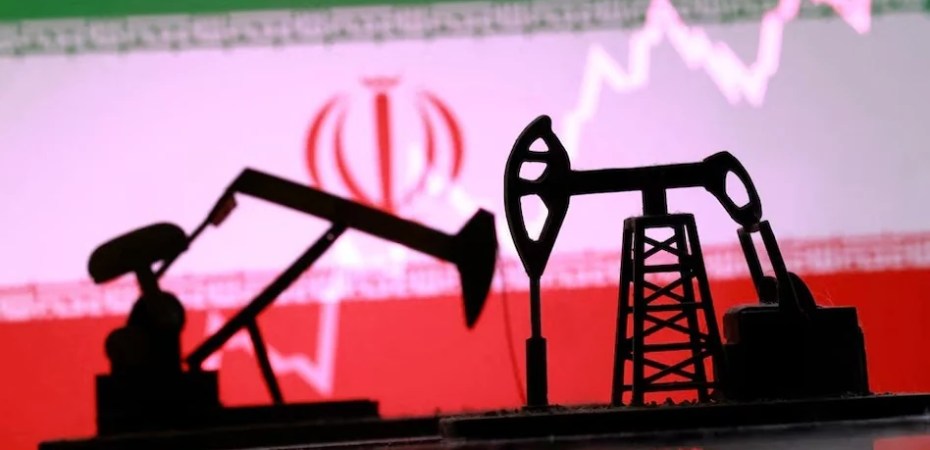
The current crisis in the Middle East has shocked the economies of almost every country in the world, with some exceptions of course. Nevertheless, the economic earthquake has generated deep cracks in the societies that hide behind the shortage of oil and gas, especially in Asian countries. China is not an exception, 50% of their demand of crude oil comes from the Middel East[1] even if it has three or four months’ worth of oil reserves. Since they aim to put a stop on prices growth, the measures that have been put in place by governments may create enormous problems in the future. The challenges that Asian countries are facing and will face, are something that will determine our future too.
From the beginning of the war, the situation has always looked awful, seven Asian countries import more than 90% of their oil from the Gulf countries, with the dramatic case of Sri Lanka that, according to Politico[2], imports all its crude oil from there. The rise in prices is problematic but it’s the scarcity of goods that is really endangering economic stability. Besides oil, the scarcity of LPG, naphtha, urea solution and sulfur are the most troublesome ones and incentives or prices cuts at gas stations won’t protect the market. The President of South Korea, have openly asked for the cooperation of their people to reduce consumption, asked his citizens to use less often private cars, vacuums, laundry machines and even elevators to save as much energy as possible. Regarding the supply of materials such as urea solution, helium and aluminum, he said they: “should be strictly managed at levels equivalent to wartime supplies”[3]. Urea solution and sulfur are essential for fertilizers, the scarcity of which will undermine the food security of the whole region. After a month of conflict, the damage provoked by the economic shock and by the bombs seems to be way less containable.
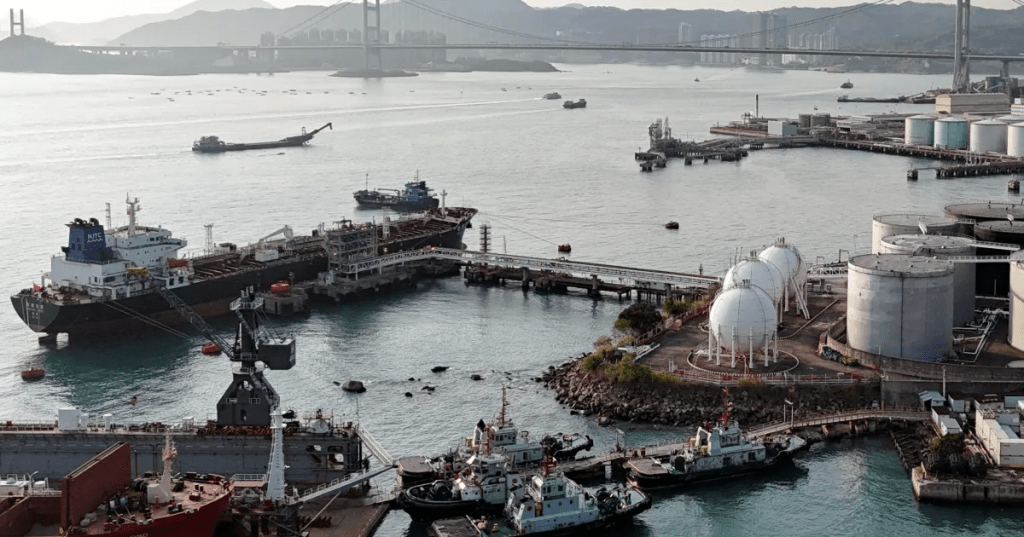
Japan’s emergency reserves hold 254-day of theoretical capacity, but the county is a perfect example to understand how Asia will be hit in the long run by the crisis, not only reducing or eliminating the economic growth but also endangering societys’ stability. The agency Discovery Alert projects that Japan is facing a potential 3% economic contraction if fuel disruptions persist, besides the vastity of their reserves.[4] Forecasts say that the additional inflationary pressure created by direct energy price increases will push for the depreciation of the Yen. This currency weakness strengthens the crisis impact by making alternative energy imports more expensive in Yen terms, creating a loop that amplifies economic stress. If the situation looks so dramatic for two of the richest countries in the area, wait until you know about the others.
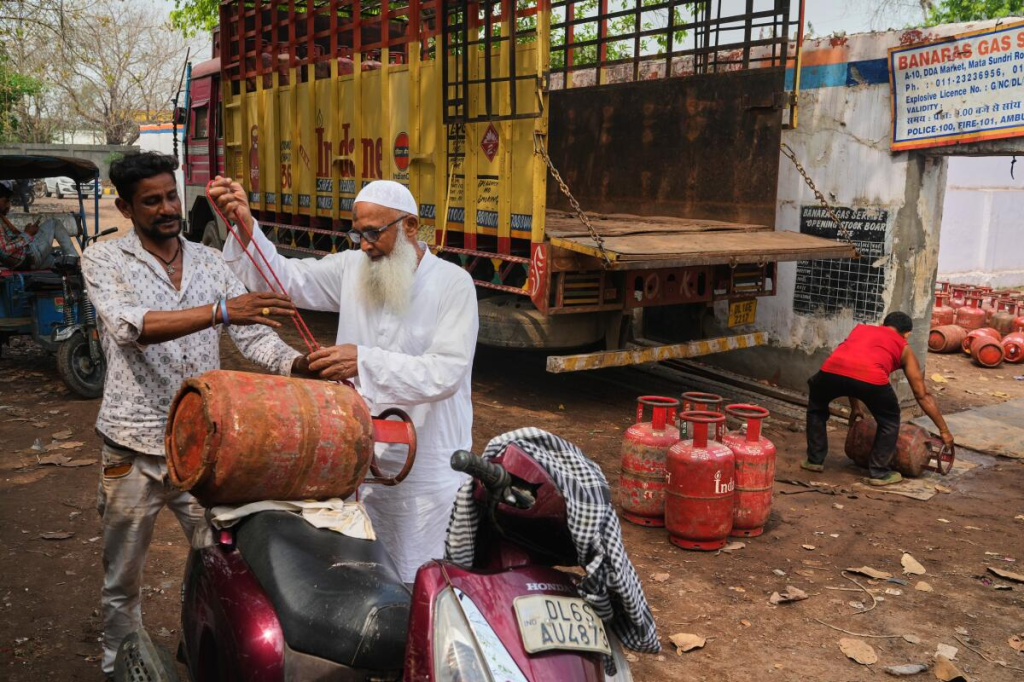
Pakistan has reduced the working days from 5 to 4, with 50% remote work on other days, university lessons are held entirely online, half of government official’s cars have been removed from circulation due to the increase in gas prices and shopping malls and bazars are forced to close at 8 pm to save energy[5]. In India and in the Philippines, the energetic crisis is heavily hitting the population way more than we can imagine. Street vendors are unable to find cooking gas on the regular market and therefore are facing practical issues providing hot meals to the millions of people that eat from their cart every day, as well as providing for their families[6]. The shortage of fertilizers is going to endanger the food security of the whole region, especially in Indonesia, Vietnam, Bangladesh, Thailand as well as India and Pakistan, but also affects sectors that use sulfur to produce other goods, like batteries. Naphtha is another critical material imported from the Strait that is essential to create food packaging, cars’ components, clothing and even house products[7]. Since these chemical components are used almost in every industry, the shortage will trigger a second wave of inflation, and therefore a much bigger crisis than the one we are experiencing so far.
Though, in my opinion, the war in Iran has made resurface problems that have always been there, the dependency that Asian countries have from the oil coming through the Strait of Hormuz is pathological in some cases. This is not the first time in the last 50 years that there is a problem with the supply coming from Arab countries, therefore I think that the governments haven’t taken enough actions to protect their countries from those shocks. While they burn their budgets to make fuel more affordable, they are struggling to find those chemical components that will be essential to feed the population. Components that they almost didn’t bother to stock at all. Even if this is a scenario without precedents, not preparing for the worst case possible it’s what has really endangered the prosperity of the region.
A cura di Edoardo Blasco Sezanne
Fonti:
[1]Paroma Soni and Catherine Allen, “5 Charts Show China’s Oil Dilemma after US Strikes,” Politico, March 2, 2026, https://www.politico.com/news/2026/03/02/iran-us-strikes-china-oil-supply-charts-00806415.
[2]Ibidem.
[3]Yonhap, “Bold Steps Needed for Energy Situation, Emergency Decree an Option,” The Korea Herald, March 30, 2026, https://www.koreaherald.com/article/10706352.
[4]“Japan’s Energy Crisis Following Strait of Hormuz Closure,” Discovery Alert, April 6, 2026, https://discoveryalert.com.au/strategic-energy-dependencies-in-2026-geopolitical-impact/.
[5]Saadet Gökce, “FACTBOX – Asian Nations Ramp Up Emergency Measures for Iran War Energy Crunch,” Anadolu Agency (AA), April 8, 2026, https://www.aa.com.tr/en/asia-pacific/factbox-asian-nations-ramp-up-emergency-measures-for-iran-war-energy-crunch/3898279.
[6]Namita Singh, “Indians Forced ‘Back in Time’ to Cooking with Coal as Iran War Gas Shortages Lead to Long Fuel Queues,” The Independent, March 18, 2026, via inkl, https://www.inkl.com/news/indians-forced-back-in-time-to-cooking-with-coal-as-iran-war-gas-shortages-lead-to-long-fuel-queues
[7]Mohi Narayan and Joyce Lee, “Supply Crunch Hits Asia as Iran Conflict Disrupts Naphtha Flows,” Baird Maritime, March 29, 2026, https://www.bairdmaritime.com/offshore/refining-processing/supply-crunch-hits-asia-as-iran-conflict-disrupts-naphtha-flows
 The Journal